
Adlai vs. Quinoa
Nutrition, texture, culinary versatility, and why so many people are reaching for adlai as their everyday grain.
If you're comparing adlai vs quinoa, here's the simplest way to think about it:
- Quinoa is light, nutritious, and popular for salads and lighter dishes
- Adlai delivers slightly better nutrition with a richer, more satisfying culinary experience
Adlai cooks like rice, satisfies more like pasta, and turns everyday meals into something more elevated.
If quinoa was your upgrade from other grains, adlai is the next upgrade.
About 20 years ago, quinoa exploded in popularity across North America and Europe as people searched for healthier, higher-protein alternatives to refined grains and white rice. It changed the conversation around carbs, grains, and what healthy eating could look like.
Today, adlai is earlier in that same journey. This ancient highland grain has been cultivated in Southeast Asia for thousands of years and is now emerging as a compelling quinoa alternative — one that delivers similar or slightly better nutrition with a more elevated culinary experience.
Because while nutrition matters, so does this:
- How does it actually taste?
- How satisfying is it to eat?
- Do you genuinely want to come back to it tomorrow?
That's where adlai stands apart.
Quick Comparison
Both adlai and quinoa are nutritious, gluten-free alternatives to white rice. They differ significantly in texture, flavor, and how well they hold up in everyday cooking. Here's how they compare side by side.
| Nutrition | Adlai Pearl | Quinoa |
|---|---|---|
| Protein (per 50g dry) | ~7g — higher | ~6g |
| Protein difference | ~17% more protein | — |
| Fiber | Naturally high | High |
| Vitamins | High | High |
| Glycemic index | Low and gradual | Moderate |
| Satiety | Keeps you fuller longer | Lighter, less filling |
| Gluten-free | Yes | Yes |
| Type | True grain | Seed (pseudograin) |
| In the Kitchen | Adlai Pearl | Quinoa |
|---|---|---|
| Texture | Soft, slightly chewy | Light, fluffy, slightly grainy |
| Taste | Mild, buttery, slightly nutty | Nutty, earthy, sometimes bitter |
| Warm dishes | Excellent — absorbs and holds | Tends to separate |
| Meal prep | Excellent — holds for days | Good cold; less ideal reheated |
| Best uses | Warm bowls, pilafs, soups, risotto-style, sauces, meal prep | Salads, lighter bowls |
| Rinsing required | Optional (texture preference) | Recommended (removes saponins) |
What is the Difference Between Adlai and Quinoa?
Adlai and quinoa are both nutritious, gluten-free alternatives to rice, but they differ significantly in texture, flavor, and overall eating experience.
Both have been cultivated for thousands of years at high altitudes by Indigenous communities — adlai in the highlands of Southeast Asia and quinoa in the Andes of South America. Both are now finding a place in the modern pantry not as niche superfoods, but as everyday staple ingredients people genuinely want to build meals around.
Quinoa is a seed that cooks light and fluffy, while adlai is a true grain that cooks soft and slightly chewy with a more substantial bite.
Adlai compares slightly better nutritionally — including protein and glycemic index — but the main difference is in taste and texture. Adlai is:
- more satisfying
- better for warm savory dishes
- easier to build everyday meals around
It cooks like rice, satisfies more like pasta, and turns healthy eating into something genuinely craveable. If you’re new to the ingredient, learn more about what adlai is and where it comes from.
Quinoa and Adlai: Ancient Foods for the Modern Pantry
Quinoa deserves real credit.
Before it became a familiar pantry staple, it was an ancient Andean food with deep cultural roots, thousands of years of history, and significance that extended beyond nutrition. For Indigenous Andean communities, quinoa was not only a staple crop but also a sacred food connected to agricultural ceremony and spiritual life.
Its modern rise outside South America was advanced by pioneers Stephen Gorad and Don McKinley, who introduced quinoa to the American and European natural foods markets in the 1980s. Their work helped consumers discover that an ancient, high-altitude staple could offer more nutrition, more story, and more possibility than the refined grains most people had grown up with.
By the early 2000s, quinoa had moved from health-food circles into broader mainstream grocery, becoming one of the defining ancient grains of the modern pantry.
Adlai is earlier in a similar journey.
Like quinoa, adlai is an ancient highland food with roots that go beyond ordinary consumption. Known botanically as Job’s tears, adlai has been used across parts of Asia not only as food, but also in traditional medicine, textiles, and prayer beads. In the Philippines, the hard-shelled beads have also been strung into rosaries.
Today, Adlai Pearl is helping reintroduce this remarkable grain as a modern pantry staple. But where quinoa helped open the door, adlai brings a different kind of advantage: a softer, more substantial texture, a more satisfying bite, and greater versatility in warm, savory cooking.
A seed (or "ancient grain") from the Andean highlands that introduced millions to a higher-protein, gluten-free alternative to refined grains. Light, fast, nutritious.
An ancient cereal grain from the Philippine highlands with slightly better nutrition, a more satisfying texture, and the culinary depth to anchor everyday meals.
The Next Step After Quinoa
Quinoa became popular because it offered a healthier alternative to refined grains. It is naturally gluten-free, higher in protein than rice, rich in fiber, and lower glycemic than white rice. For many people, it was the first grain-like staple that felt modern, nutritious, and interesting.
But as quinoa became more common in everyday cooking, people also started to notice its limits and tradeoffs.
Quinoa can feel:
- light
- dry
- slightly grainy
- earthy in taste
- less satisfying as the center of a meal
For people who appreciate quinoa’s benefits but want more culinary flexibility, adlai offers a natural next step. Adlai delivers the same kind of modern pantry appeal, gluten-free, nutrient-dense, and higher in protein than traditional staples, while adding the texture and versatility quinoa sometimes lacks.
That is why many people searching for better alternatives to quinoa, more filling grains, or healthier grains that still feel indulgent are increasingly discovering adlai. It gives them a way to keep the benefits that made quinoa popular, while gaining a more satisfying texture, broader cooking range, and a grain that feels truly at home in everyday meals.
The Culinary Difference
This is where the comparison between adlai and quinoa really shifts. Quinoa is versatile, but it has limits. Because it is technically a seed, it tends to separate easily — staying fluffy when dry, dissolving when wet. It works well in salads and cold preparations, but it can fall apart in sauces, stews, and warm dishes.
As a true grain, adlai cooks soft and slightly chewy. It absorbs flavor, holds its structure, and brings more substance to the plate. It can function almost like a more nutritious cross between pearl couscous, lentils, and rice: substantial, comforting, and easy to build a meal around.
But unlike other cereal grains (such as rice, corn, and wheat), adlai wasn't optimized for industrial speed or mass processing. It remained a slower-grown, heritage grain cultivated in highland farming communities. That slower growth shows up in the eating experience. Your body can feel the difference.
Adlai cooks soft and slightly chewy, absorbs sauces beautifully, and holds its structure in a way that feels deeply satisfying. It is the difference between a healthy ingredient and a grain you genuinely crave.
Adlai works especially well in grain bowls, savory pilafs, soups and stews, risotto-style preparations, warm meal prep bowls, and dressed salads where texture matters. Where quinoa often breaks apart or fades into the background, adlai stays cohesive and substantial.
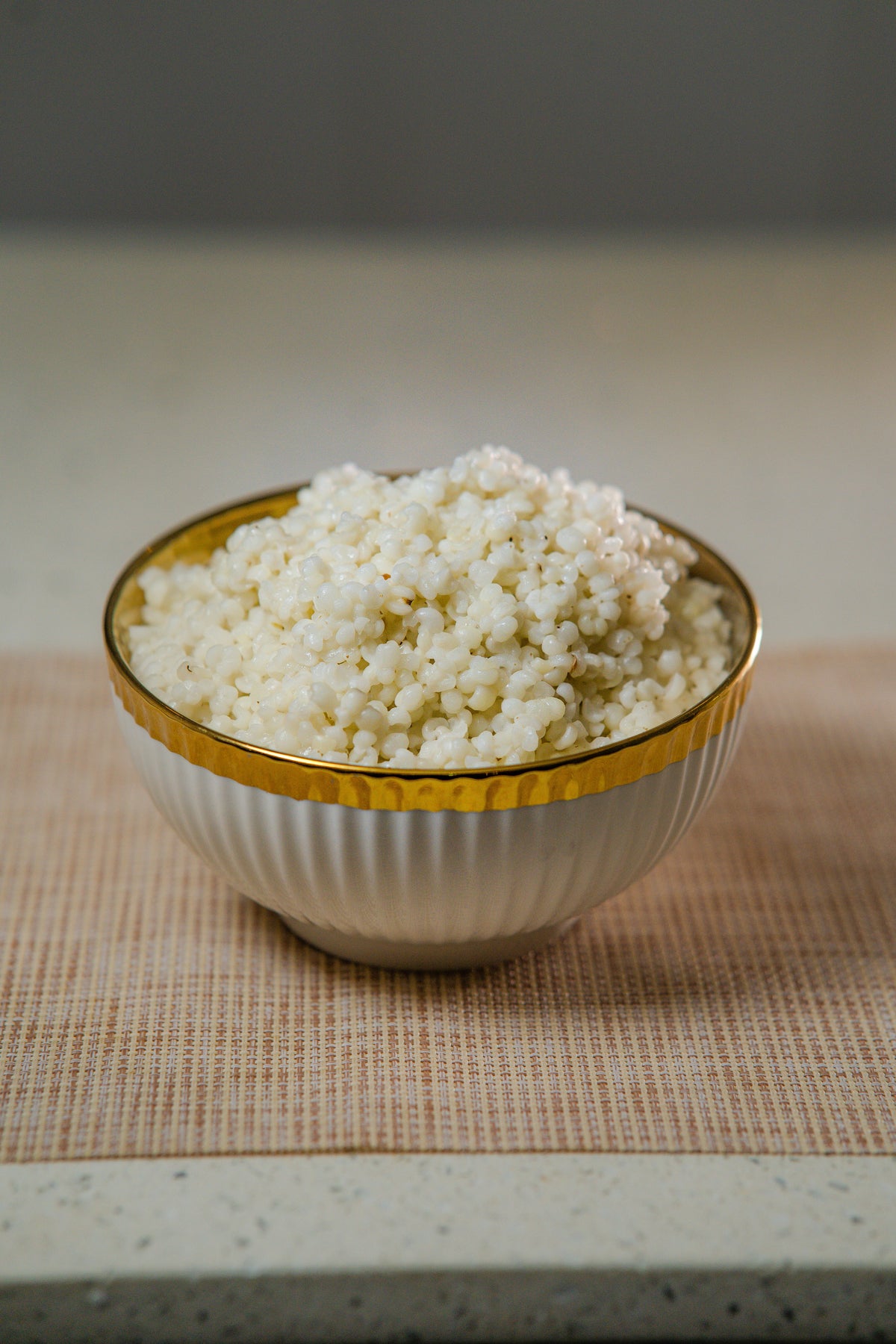
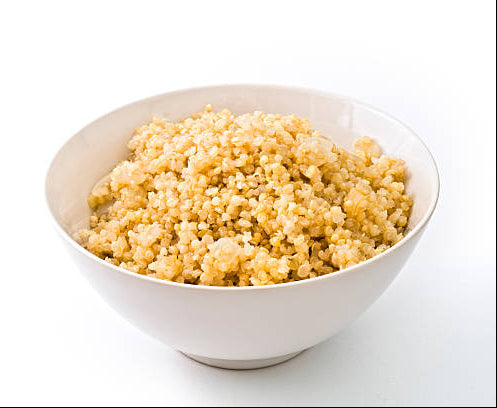
Adlai is significantly more versatile than quinoa, rice, and pasta, while also delivering a stronger overall nutritional profile than all three.
Grain vs. Seed: Why Structure Matters
One of the most important differences between adlai and quinoa is structural. Quinoa is technically a seed, sometimes called a pseudograin, botanically related to amaranth and spinach. Adlai is a true cereal grain, a tropical plant in the family of grasses Poaceae.
For some, this distinction may sound like semantics, as they are both commercially referred to as "ancient grains" and are sold and used for similar purposes.
Where this distinction becomes important, however, is in how the structure of each affects its cooking behavior, texture, and taste.
Because it is technically a seed, quinoa behaves differently from true grains in the kitchen. When quinoa cooks, the germ separates from the rest of the seed and forms the small white spiral or “tail” you often see around each piece. That little curl is part of quinoa’s signature texture, but it also helps explain why quinoa can feel delicate, separate, and less cohesive in warm dishes, sauces, dressings, stews, and meal prep.
Quinoa also naturally contains compounds called saponins, a mildly toxic protective coating that helps protect the seed in nature. If not removed completely in production or rinsed properly before cooking, those saponins can create a noticeably bitter taste.
Adlai behaves more like a traditional staple grain. Its cereal grain structure gives it a light natural starchiness, closer to rice or barley, which helps it cook into a softer, more cohesive bite. That structure also allows it to absorb broth, seasoning, and sauces without disappearing into the dish.
This is why adlai can feel both familiar and new. It has the comfort and utility of a true grain, but with a more substantial chew and a mild, slightly nutty flavor that adapts easily across cuisines.
Separates easily when cooked. Stays airy when dry, dissolves when wet. Feels lighter on the palate. Best suited for cold or room-temperature dishes.
Absorbs flavor more deeply. Develops a softer bite. Holds structure in warm dishes and sauces. Behaves less like a garnish, more like a meal foundation.
Nutrition and Satiety
From a nutrition standpoint, adlai and quinoa are remarkably comparable, which is why both are considered strong alternatives to white rice and refined carbohydrates. Both are naturally gluten-free, rich in fiber, and higher in plant-based protein than most staple grains.
Adlai slightly exceeds quinoa on protein, with roughly 17% more protein:
- Adlai: ~7g protein per 50g dry weight
- Quinoa: ~6g protein per 50g dry weight
Adlai also has a significantly lower glycemic impact, ranging from approximately 30 to 35, compared to quinoa at around 50 to 55. That means adlai digests more gradually, supporting steadier energy and helping meals feel more balanced and satisfying over time.
| Nutrient | Adlai Pearl | Quinoa |
|---|---|---|
| Protein (per 50g dry) | ~7g | ~6g |
| Fiber | High | High |
| Glycemic impact | Low and gradual (30 - 35) | Moderate (50-55) |
| Satiety | Keeps you fuller longer | Lighter, shorter |
| Vitamins and minerals | Broad spectrum | Broad spectrum |
| Gluten-free | Yes | Yes |
Adlai contains roughly 17 percent more protein than quinoa. Combined with its slower carbohydrates and more satisfying texture, it offers steady energy without sacrificing enjoyment.
For many people, it is easier to build healthy eating habits around foods that actually feel indulgent and complete. That is where adlai's culinary richness reinforces its nutrition. To understand the full nutritional picture, see the complete guide to what adlai is.
The Bitterness Question
One of the most common complaints about quinoa is bitterness. The reason is that as a seed, quinoa can naturally contain saponins, a protective coating that helps defend the plant in nature.
Many quinoa producers wash or polish quinoa before packaging, and saponin levels can vary by variety. So rinsing is not always strictly necessary, but it is often recommended, especially if you notice a bitter or soapy taste.
Adlai does not have the same saponin coating. Its flavor is mild, slightly nutty, and naturally approachable, which makes it especially easy to pair with sauces, broths, dressings, and everyday seasoning.
Often recommended. Many packaged quinoa products are pre-washed, but rinsing can help remove any remaining bitterness from saponins.
Optional and texture-based. Rinse for a lighter, fluffier result. Rinse less for a creamier, more cohesive texture.
As a true grain, adlai carries no saponin coating. Its flavor is mild, buttery, and naturally approachable.
Adlai's mild, slightly nutty flavor means it absorbs seasoning and sauces rather than competing with them. It is a grain that works with whatever you are cooking, not against it.
Cooking with Adlai vs. Quinoa
Both are straightforward to prepare. But they behave differently in the kitchen, and those differences shape how useful each one is across the week.
Cooks quickly. Works best in lighter preparations. Tends to stay airy and separate.
Cooks similarly to rice. Reheats exceptionally well. Absorbs broth, sauces, and seasoning beautifully. Maintains texture in warm dishes and dressed preparations.
Adlai absorbs and holds. Quinoa tends to separate.
Both work well. Quinoa is particularly light in salads.
Adlai reheats exceptionally well. Quinoa is best prepared fresh for warm use.
If you are looking for a quinoa alternative that feels more comforting, more versatile, and more meal-worthy, adlai fits naturally into everyday cooking. For best results, see the complete guide to cooking adlai.
Can You Cook Adlai and Quinoa Together?
Yes — and they complement each other surprisingly well. Cooking adlai and quinoa together works similarly to a rice-quinoa blend: quinoa adds lightness, adlai adds chew, structure, and satisfaction. The result is better texture, improved satiety, and an even stronger nutritional profile overall.
If you already cook with quinoa regularly, combining it with adlai is an easy and delicious transition.
If you already cook with quinoa regularly, combining it with adlai is an easy and natural transition — and often the best of both grains.
When quinoa is used in breads, cakes, patties, or other formed foods, it often needs support from binding ingredients such as cornmeal, wheat flour, potato starch, or other starches. Those additions can dilute quinoa’s nutritional advantage. A quinoa-adlai blend offers a more nutrient-dense way to add body and structure, combining quinoa’s lightness with adlai’s natural starch, chew, and satisfying bite.
Explore more ways to cook with adlai in the recipe collection, including several that work beautifully as adlai-quinoa blends.
Sustainability and Sourcing
As quinoa expanded globally over the past two decades, parts of its production became increasingly industrialized to meet worldwide demand. This raised broader questions around sourcing practices, agricultural sustainability, and how heritage crops can maintain their quality and integrity as they scale. Rapid global demand also contributed at times to sharp price increases and concerns around affordability and local availability within some of the communities that had traditionally relied on quinoa as a staple food.
Adlai is still much earlier in its global journey. At Adlai Pearl, we're taking a careful approach to sourcing and growth, working closely with smallholder farming communities in the Philippine highlands and prioritizing responsible, small-scale cultivation practices as we introduce this grain to a wider audience.
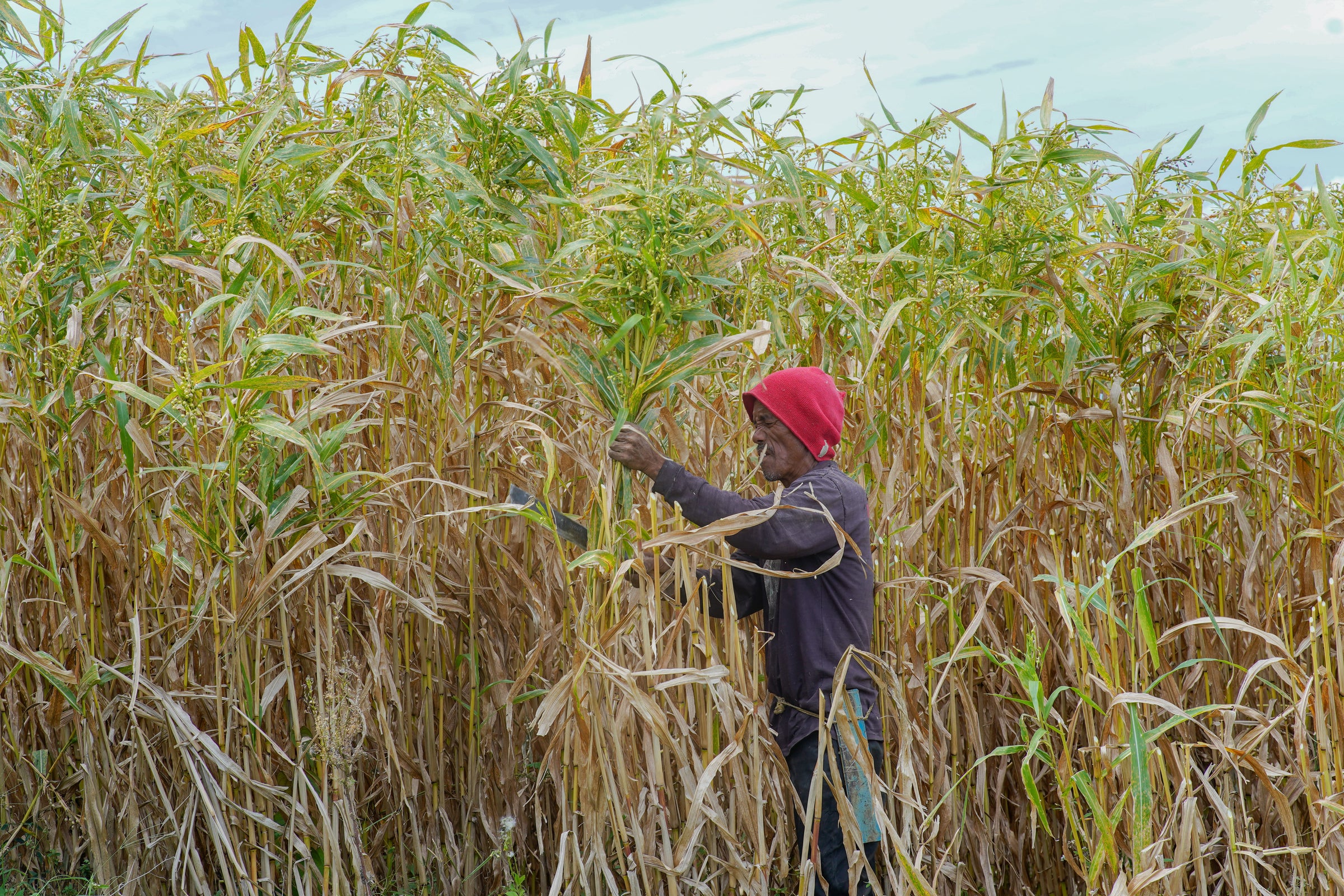
The farmers we work with continue to cultivate adlai using traditional methods passed down through generations, at high altitudes and without intensive industrial inputs. Adlai fits naturally into diversified farming systems. The plant's deep root structure helps support soil health and water efficiency, and it is often grown as part of crop rotation practices rather than intensive monocropping. Our goal is not simply to scale quickly, but to preserve the quality, integrity, and heritage of the grain — and to ensure that growth benefits the farming communities connected to it, not just the global market surrounding it.
Choosing Between Adlai and Quinoa
Quinoa has its own distinct flavor, texture, and culinary role, especially in lighter salads, cold preparations, and dishes where a fluffy, separate texture is the goal.
Adlai offers something different: a more substantial bite, a softer chew, better structure in warm savory dishes, and a more satisfying everyday eating experience.
The better question is not which one should disappear from the pantry. It is what role each one plays in your week.
You want lightness; you’re making cold salads or lighter bowls; you prefer a fluffier texture
You want higher protein, lower glycemic impact, warm savory dishes, weekly meal prep, and a grain that carries the meal
You want quinoa’s lightness with adlai’s chew, structure, and satisfaction; ideal for pilafs, bowls, and meal prep blends
Adlai is not a substitution. It is a different category of eating experience. For most everyday meals, especially warm savory dishes and anything built around texture, adlai is the more satisfying choice with wider culinary appeal.
Fast cook. Fluffy texture. Excellent in salads and cold bowls. A seed that introduced the world to smarter grain choices.
More protein. Lower glycemic. Holds structure in warm dishes. Reheats for days. A grain that works for you across the whole week.
Frequently Asked Questions
Adlai and quinoa are nutritionally very similar. Both are gluten-free, high in fiber, and rich in protein. Adlai contains roughly 17% more protein and has a lower glycemic index.
Yes. Adlai is one of the closest quinoa alternatives nutritionally, while offering a softer, chewier texture and more elevated culinary experience.
Yes. Adlai contains approximately 17% more protein than quinoa (~7g vs ~6g per 50g dry weight).
As a seed, quinoa naturally contains saponins, a mildly toxic protective coating that can create bitterness if not thoroughly rinsed away in processing or before cooking. Rinsing also helps produce a lighter, fluffier texture.
As a true grain, adlai contains a light coating of starch that gives it its soft, slightly chewy texture and satisfying bite. Similar to rice, rinsing before cooking removes excess starch for a lighter result, while less rinsing produces a creamier, more cohesive consistency.
Absolutely. Mixing adlai and quinoa creates a balanced blend with excellent texture, strong nutrition, and better satiety.
14oz bag — ships across the Philippines
Try the Next Upgrade
If quinoa changed the way you think about grains, adlai is what comes next. It brings together:
- the nutrition people want
- the satisfaction people crave
- the kind of culinary versatility that makes healthy eating feel genuinely enjoyable
The real difference between these two ancient staples is not something you understand in a single meal. You feel it when it becomes part of your routine.
- A pot of cooked adlai in the refrigerator means:
- • breakfast is a bowl you assemble in two minutes
- • lunch is already solved
- • dinner doesn't start from zero
That is when it stops being an alternative and becomes a staple. So the most practical way to experience adlai is simple:
Keep it in the fridge.
Use it throughout the week.
No reinvention.
No daily decision fatigue.
Just continuity.
We built an 8-week adlai meal plan to make that shift automatic — with:
- weekly cooking rhythms
- breakfast, lunch, and dinner templates
- direct links to delicious recipes
- batch-cooking and meal-prep flow
Because the question is not whether adlai is different from quinoa.
The question is what happens when your staple grain starts working for you every day.