

The Adlai Story
The grain the mountains protected for generations.
Origin
Coix lacryma-jobi
A grain cultivated across Southeast Asia for thousands of years.
Adlai (also spelled adlay), scientifically known as Coix lacryma-jobi, is one of Southeast Asia's oldest cultivated grains. For millennia it has been grown throughout the Philippines, Vietnam, China, Korea, and neighboring regions — long before the rise of modern rice agriculture. Its distinctive tear-shaped kernels gave rise to the global nickname "Job's Tears," and in herbal or nutritional contexts it's often called simply "coix seed."
Across these cultures, adlai served as both a nourishing staple and a cornerstone of traditional medicine systems. Classical herbal texts describe coix seed as grounding, soothing, and balancing — a reputation that has drawn modern scientific interest to its bioactive compounds.
In the Philippine highlands, particularly in Bukidnon and Arakan, Indigenous communities have preserved this crop through generations. They plant, weed, and harvest it by hand, relying on altitude, climate, and ancestral knowledge rather than synthetic inputs. The result is a grain that carries genuine agricultural heritage and cultural identity — clean, slow-grown, and deeply connected to place.
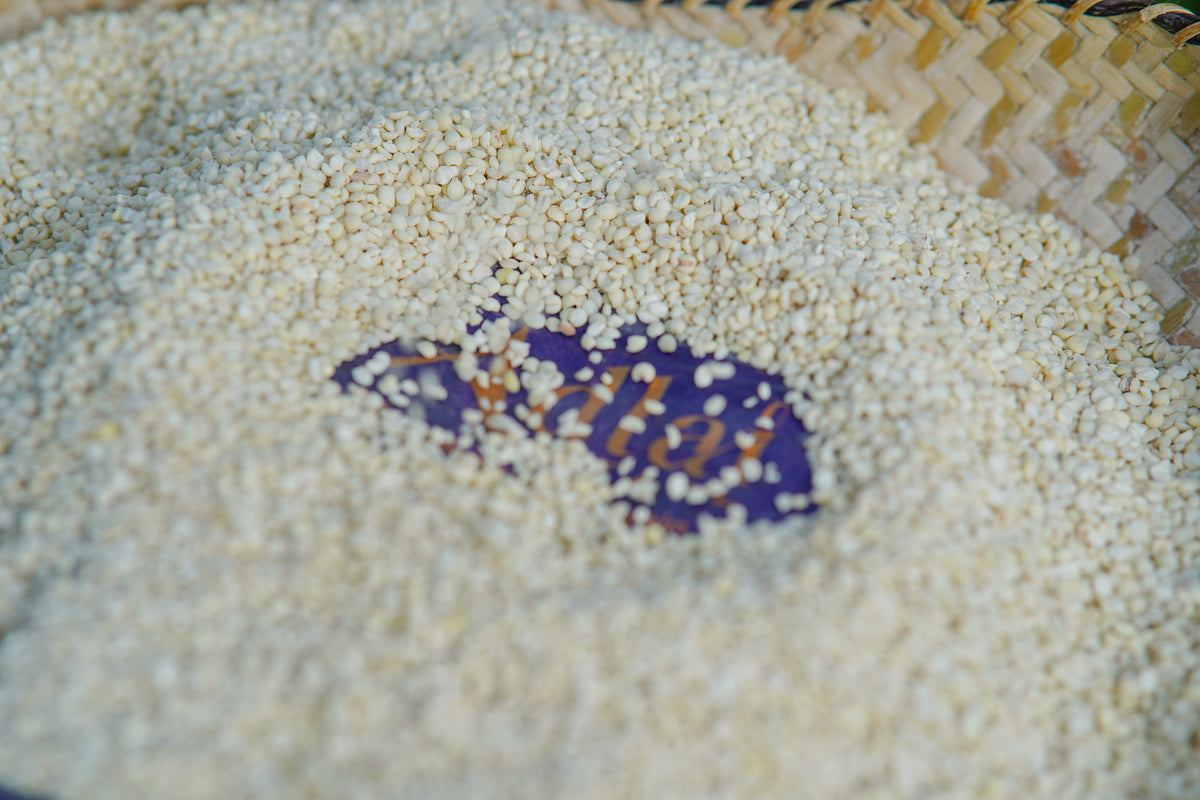
"A grain that carries genuine agricultural heritage and cultural identity — clean, slow-grown, and deeply connected to place."
— Adlai Pearl
Cultivation
Slow-grown, water-efficient, and naturally regenerative.
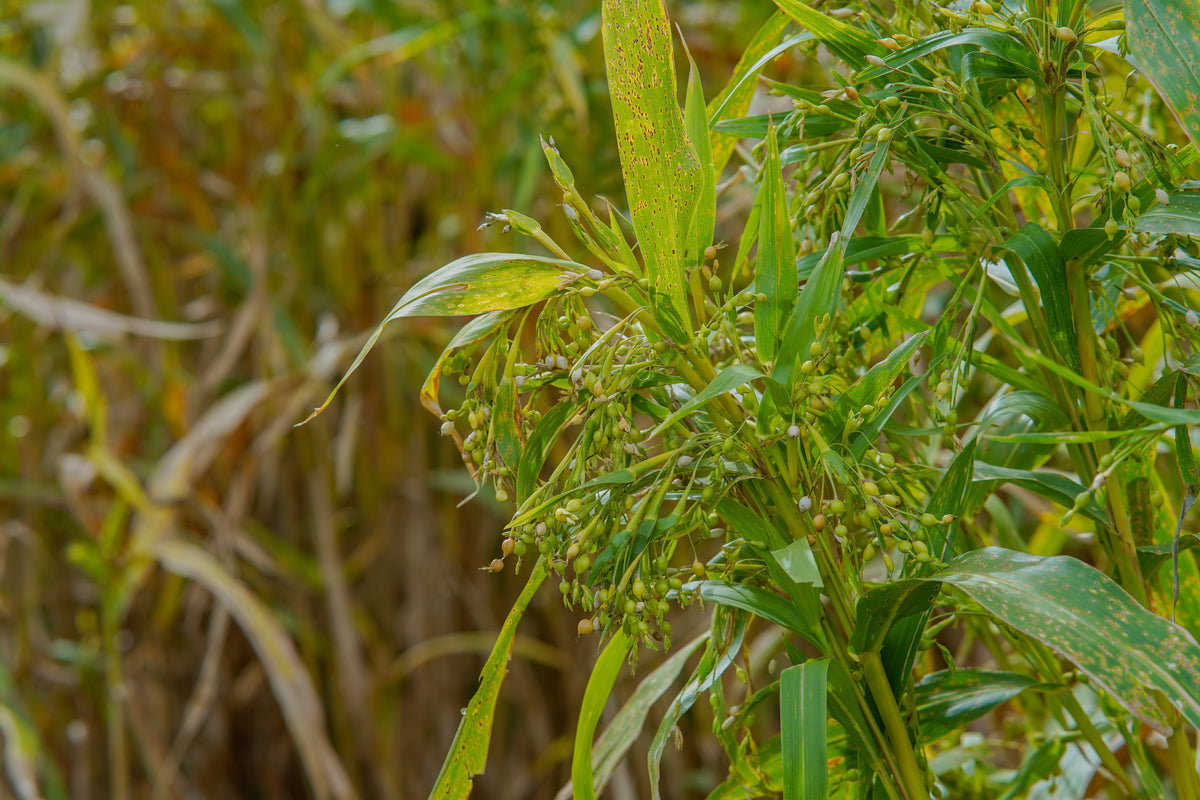
Unlike industrial rice paddies, adlai fields are tended slowly — planted, weeded, and harvested by hand. This patience creates grains with depth, character, and exceptional nutritional density.
Nutrition & Science
Nutrient-dense. Low glycemic. Naturally gluten-free.
Adlai delivers clean, sustained energy without the spike-and-crash of refined grains — backed by centuries of traditional use and growing modern research.
Anti-Inflammatory
Adlai extracts have demonstrated potential to downregulate inflammatory markers and support a balanced immune response.
Metabolic Support
Its naturally low glycemic index supports healthy glucose metabolism. Bioactive coixans and phytosterols are areas of active scientific interest for metabolic wellness.
Bioactive Profile
Rich in coixans, phytosterols, and polyphenols — compounds with promising preliminary findings in cellular health research across multiple institutions.

The People
Grown with pride by the hands who keep the tradition alive.
Behind every bag of Adlai Pearl are Indigenous farmers in Bukidnon and Arakan who have safeguarded this heritage crop for generations. Their knowledge, patience, and stewardship make this grain what it is.
Watch the Story
See where Adlai Pearl comes from.
From the highlands of Bukidnon to your table — the full story, in motion.
Sustainability
Cultivation built on stewardship, not extraction.
Adlai is a non-GMO heritage crop that is inherently sustainable. Choosing Adlai Pearl supports a farming system that gives back to the land and the people who tend it.
- Uses significantly less water than rice — thrives as a rain-fed upland crop
- Grows cleanly without chemical inputs or synthetic fertilizers
- Strengthens soil health through deep, branching root systems
- Supports Indigenous communities whose identities are intertwined with this crop
- Third-party lab tested for pesticides, heavy metals, and microbial safety
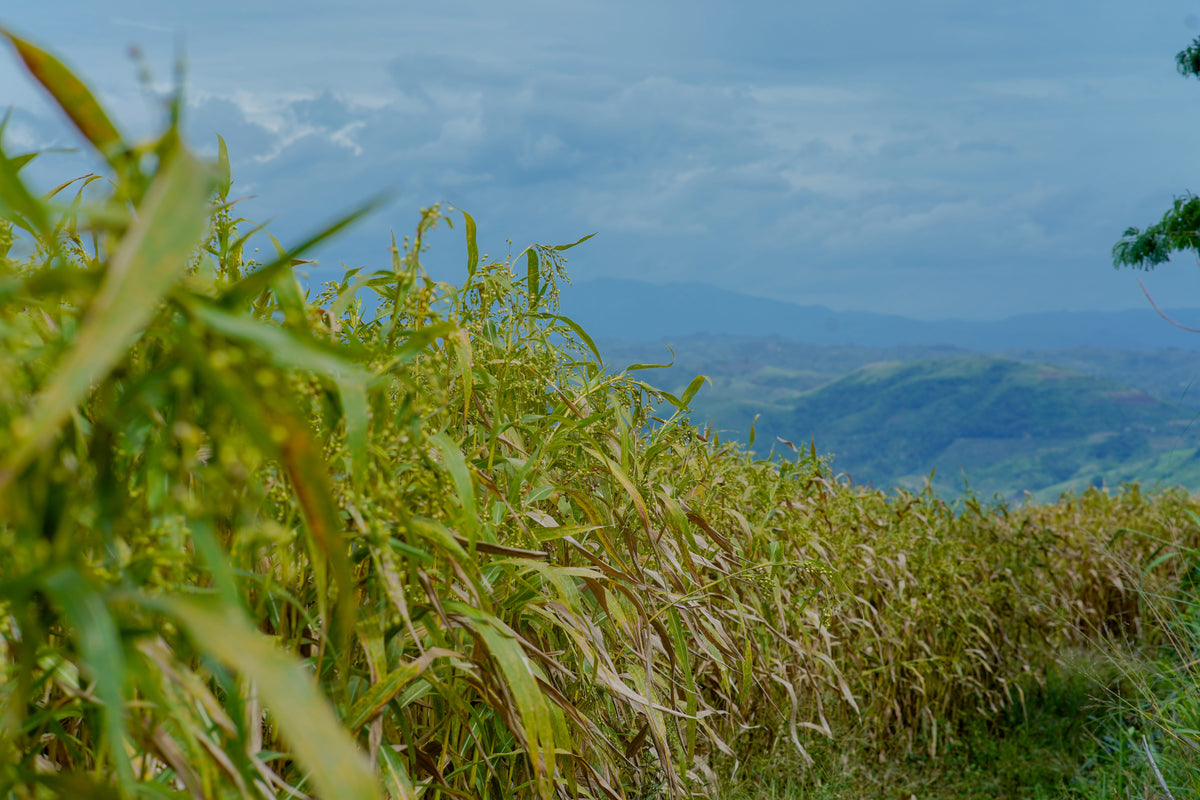
Adlai fields in the Arakan highlands, Philippines
A Grain Worth Discovering
Ancient tradition. Modern table.
Adlai is one of the world's most remarkable heritage grains — nourishing, sustainable, clean, and deeply rooted in the mountains that nurture it. With Adlai Pearl, this tradition arrives beautifully on your table.