
Cooking with Adlai
Water ratios, soaking, toasting, one-pot methods, meal prep, and everything in between.
Stovetop:
Rinse 1 cup adlai thoroughly.
Combine with 2 ½ cups water, and a pinch of salt.
Bring to a boil, cover and simmer for 20–25 minutes until water is absorbed.
Fluff with a fork and serve.
Rice Cooker: Use the same water-to-grain ratio as above. Cook as you would regular rice.
Pro Tip: Use 2 cups water for a firmer bite, 3 cups of water for a softer chew
Once you’ve done it once, you’ll never need to look it up again… unless you want to get fancy… and even then, we’ve got you covered.
The rest of this page gives you all the parameters that you can play with to elevate any meal.
If this is your first time working with the grain, start with our complete guide to what adlai is and why it grows differently from modern staples.
The Quick Start
If you know how to cook rice, then you already know how to cook adlai – but adlai is not rice and is not a fragile grain.
In professional kitchens it’s often described as hard to mess up, because it doesn’t swing from undercooked to mush the way many grains do.
Beyond the basic preparation, adlai is easy to season with spices and sauces, and folds beautifully into stir-fries, salads, stews and sides. It keeps well in the fridge and freezes beautifully.
Rinsing adlai
Adlai Pearl is carefully grown, harvested, handled and lab tested for purity. When it's time to cook, rinsing controls how separate or creamy the final grain will be. Rinsing adlai is not about cleanliness — it's about consistency.
Like most intact grains, adlai carries a light coating of surface starch from milling and handling. If you cook it without rinsing, nothing catastrophic happens — but the grains will cling to each other more and the final result will be slightly creamier and heavier. A quick rinse gives you separation and definition.
Everyday cooking, sauced dishes, slightly fuller body
Grain salads, pilaf-style, very distinct grains
Porridge, risotto-style, or cooking directly in sauce — the released starch helps the liquid come together
You're not purifying the grain. You're choosing the texture.
Weeknight version: rinse twice, drain well, cook.
Water ratios & texture
The standard ratio gives you the classic staple texture. But water is not a rule. It's a dial.
After a few cooks, you stop measuring and start choosing. That's when it becomes your grain.
Soaking
Soaking is not required.
You can rinse and cook immediately — and for everyday use, that’s what most people do.
But even a short soak — anywhere from 20 minutes to an hour — pre-hydrates the grain and shortens the time it needs on the stove.
Soaking becomes especially useful when you want the adlai to finish cooking inside a sauce or broth rather than in plain water. You’re not changing the grain. You’re shifting when it absorbs its water.
If you do soak it, you can usually:
- cook it a little faster
- use slightly less liquid
- get more even cooking in one-pot dishes
If you don’t soak it, nothing is lost.
Equipment: Stovetop, Rice Cooker, or Pressure Cooker
Adlai is democratic.
- Stovetop → perfect
- Rice cooker → perfect
- Pressure cooker → faster, same result
Same ratios. No ceremony.
Toasting Adlai
If you want to deepen the flavor — with even more separate grains and a pilaf-like finish — a quick toasting of adlai can take things up to another level.
Before adding water, sauté the rinsed and drained grain in olive oil, butter, or any cooking fat for 1–2 minutes until the adlai is slightly golden brown.
Not required… but for some dishes, it's the difference between good and restaurant good.
The toasting step takes 60 seconds and adds a nutty depth that works especially well in pilaf-style dishes, grain salads, or any preparation where you want the grain to stand on its own.
Cooking Adlai in Sauce
Because the grains stay intact, adlai can cook directly in any sauce. This is one of its most distinctive culinary qualities — it doesn't dissolve or turn mushy. It absorbs the flavors of what surrounds it while maintaining its structure.
Absorbs the acidity and depth; works as a pasta alternative
Finish cooking directly in the curry
Classic Filipino preparation; soft and aromatic
Replaces water 1:1; adds richness and depth to the grain
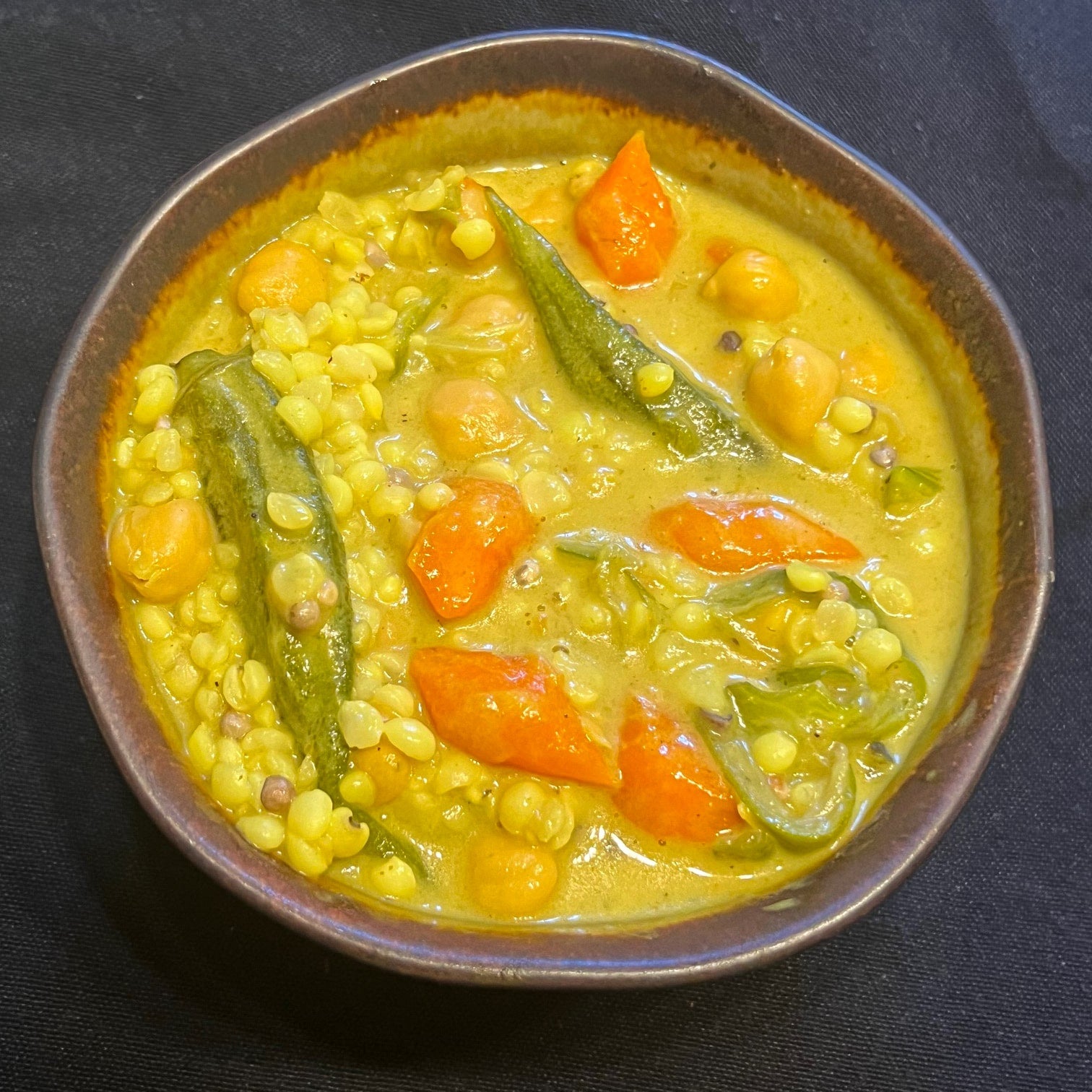
If pre-soaked, it finishes in the same time as the dish. It doesn't sit under the meal. It becomes the meal.
Storage, Freezing, Meal Prep & the Overnight Effect
Adlai is better the next day.
Keeps for several days; reheats cleanly; works hot, room temp, or cold
Completely safe; texture stays intact after reheating
Seal in an airtight container so it doesn't dry out
Flavors marinate and deepen overnight
A pot of adlai in the refrigerator means breakfast is a bowl you assemble in two minutes, lunch is already solved, and dinner doesn't start from zero.
This is one of the reasons it functions so well as a weekly staple rather than a one-time side dish. For meal preppers, an adlai grain bowl is the gift that keeps on giving.
Tweaking the texture
Perfect adlai is distinct, gently chewy, never mushy, never crunchy. That's the entire target.
Add a splash of water and cook a few minutes more
Use less water next time
That is the entire learning curve. Unlike rice, which has a fairly narrow window between undercooked and mush, adlai is genuinely forgiving. Even slightly undercooked or slightly overdone, it is still good. The target is just easy to hit.
For background on why the grain holds its texture so well — and how it compares to rice and other staples — see Adlai vs. Rice: A Complete Comparison.
Quick reference
| Aspect | Details |
|---|---|
| Standard ratio | 1 : 2½ water |
| Firmer | 1 : 2 water |
| Softer | 1 : 3+ water |
| Cook time | 20–25 minutes + 5 min rest |
| Soaking required? | No |
| With 1-hour soak | 1 : 2 water + shorter cook time |
| Meal prep friendly? | Exceptionally |
| Freezer friendly? | Yes |
14oz bag — ships across the US